1. The “Big Two” Charges (What They Actually Mean)
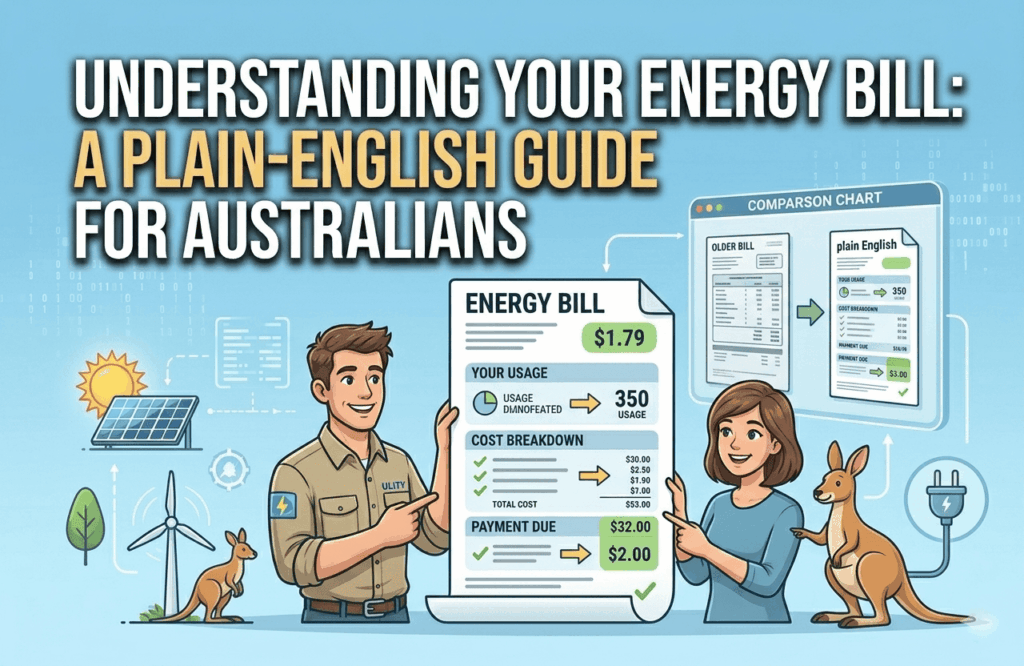
Almost every Australian bill is comprised of two main costs. Think of it like a mobile phone plan: one is the “line rental,” and the other is the “calls.”
- Daily Supply Charge (The “Line Rental”): A fixed fee paid every day just to stay connected to the grid. Whether you turn on a single light or go on a month-long holiday, you pay this.
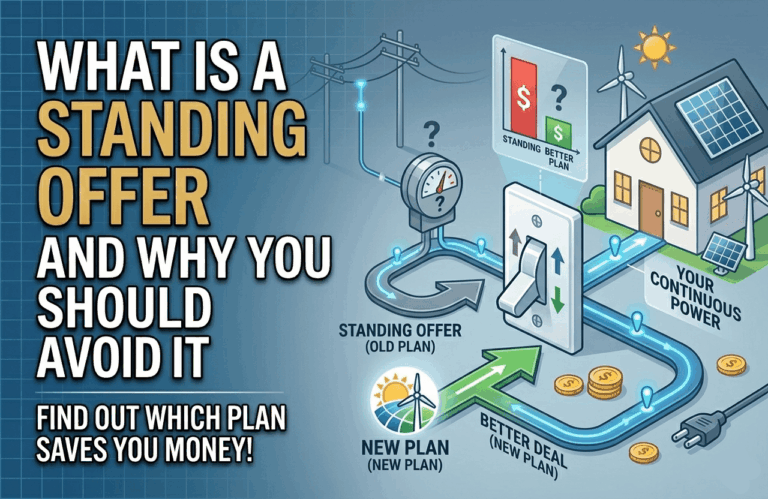
- The 2026 Reality: Most households pay between $1.10 and $1.45 per day. If your daily charge is closer to $1.60 or higher (common on Essential Energy or AusNet networks), ensure you aren’t on an outdated “Standing Offer.”
- Usage Charge (The “Calls”): The price for the actual power used, measured in cents per kilowatt-hour (c/kWh). This is the variable part of the bill you can control through energy-efficient habits.
2. How to Spot the Wrong “Tariff”
A “tariff” is simply the pricing structure your retailer uses. If you are on the wrong one, you are likely paying a “loyalty tax.”
- Single Rate (Flat Rate): You pay the same price for power 24/7.
- Time of Use (TOU): Prices fluctuate based on the clock.
- Peak: Usually 3 PM – 9 PM (The most expensive).
- Off-Peak: Usually 10 PM – 7 AM (The cheapest).
- Shoulder: The “in-between” periods.
- The Red Flag: If you work from home or stay home during the day but are on a TOU plan, you might be paying high “Peak” rates when a Single Rate plan would be cheaper.
3. Use Your Bill to Negotiate (The “Power Move”)
Retailers count on customers being too busy to check the fine print. Use these 2026 benchmarks to get a better deal in under five minutes:
Find the “Reference Price” Comparison
By law, your bill must show how your plan compares to the Default Market Offer (DMO) or Victorian Default Offer (VDO).
- If your bill says your plan is “Equal to” or “Above” the reference price, you are definitely overpaying. Look for plans that are at least 10% to 15% below the reference price.
Check for “Same Name, Different Price”
A common industry trick is to keep an old plan name but release a newer, cheaper version for new customers.
- The Rule Change: From October 2026, retailers must clearly distinguish these plans. Until then, ask specifically: “Am I on the newest version of this plan, or is there a 2026 version with lower rates?”
Mention the “Best Offer” Notice
As of July 2026, retailers are required to notify you on your bill (or accompanying email) if they have a cheaper plan available for your usage profile.
- The Script: “I see a ‘Best Offer’ message on my bill that could save me $50+ a year. Can you switch me to that immediately, or should I look at switching to a different company today?”
Frequently Asked Questions
What is the average electricity usage for a household in 2026?
A typical Australian home uses approximately 4,000 to 6,000 kWh per year. Check the “Average Daily Usage” graph on your bill to see if you are above or below your neighbors.
Why is my supply charge different from my neighbor’s?
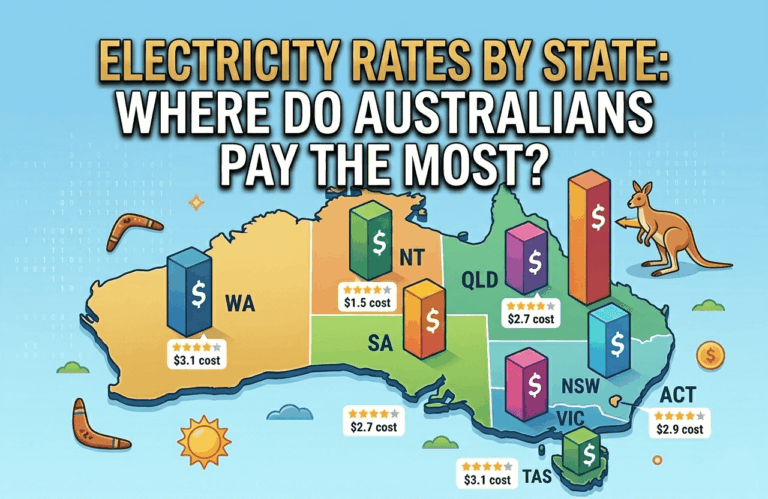
Daily supply charges are partly determined by your Distribution Network (the company that owns the poles and wires). If you are on a different street or suburb that crosses a network boundary (e.g., Ausgrid vs. Endeavour Energy), your fixed costs will differ.
What is the “Reference Price” on my bill?
The Reference Price is a benchmark set by the government to prevent retailers from charging hidden high rates. It is the maximum price a retailer can charge a customer on a “Standing Offer.”