
Budget Hero

1300 469 061

MON - FRI 9AM-6PM
SAT - 10AM - 5PM

1300 496 061

MON - FRI 9AM-6PM
SAT - 10AM - 5PM

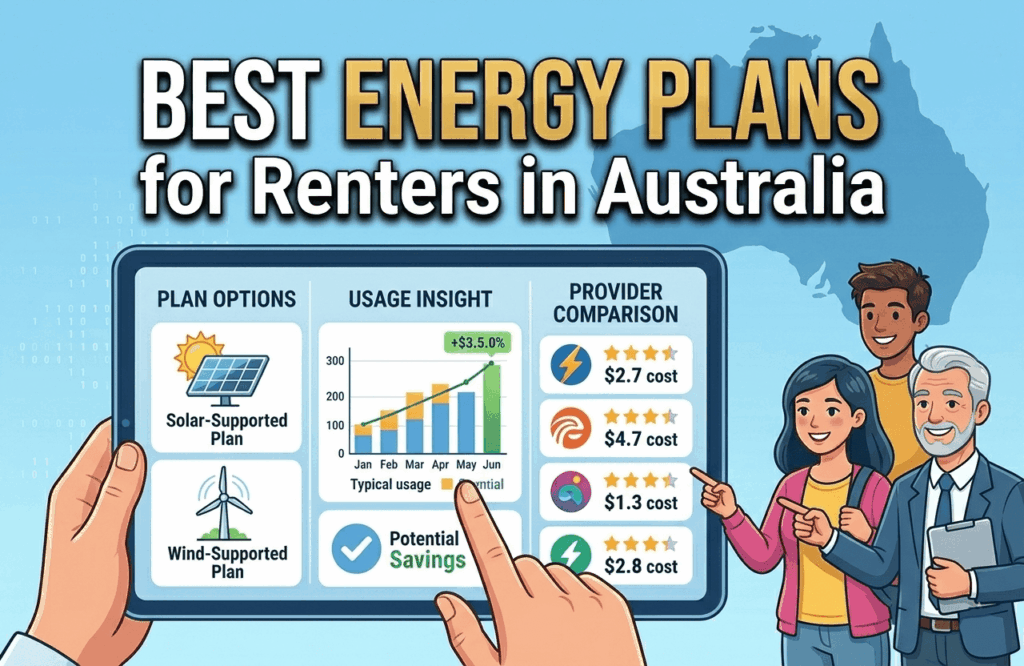
Best Energy Plans for Renters in Australia

Renting in Australia often feels like you have very little control over your home—you can’t paint the walls, you can’t get a dog without asking, and you certainly can’t install solar panels.

But here is the good news: In 2026, you have almost total control over your energy bill. Being a renter doesn’t mean settling for “standard” prices. This guide explores your rights, new “free power” incentives, and how to navigate shared living.

Get a budget deal

Start Here

1. Can Renters Switch? Your Rights in 2026

The short answer is YES. If your name is on the electricity bill and the property has its own separate meter, you have the legal right to choose any energy provider.

  • The Permission Myth: You do not need the landlord’s permission to switch retailers. It is a purely administrative change.
  • The Exception (Embedded Networks): If you live in a modern apartment complex or retirement village, you might be in an “embedded network.” While you typically can’t switch providers, 2026 reforms mean these operators must now:
    • Cap prices at the Default Market Offer (DMO) or Victorian Default Offer (VDO).
    • Provide transparent billing that shows how their rates compare to local standing offers (starting July 2026).
    • Grant you access to the Energy Ombudsman for dispute resolution.

2. What to Look for: The “Renter-Friendly” Plan

Since your living situation might change every 12 months, flexibility is key. In 2026, prioritize these features:

  • No Lock-in Contracts: Almost all leading retailers (Origin, AGL, EnergyAustralia, etc.) now offer “no exit fee” market plans. This allows you to move without penalty.
  • Move-In Credits: Many brands offer “Welcome Credits” ($150–$200) for new customers who sign up online. This can effectively pay for your first month of power.
  • The “Solar Sharer Offer” (New for 2026): Starting July 1, 2026, a new government-mandated “Solar Sharer” plan becomes available in DMO regions (NSW, SA, SE QLD). It offers 3 hours of free electricity in the middle of the day for households with smart meters—even if you don’t have solar panels!

3. Managing Costs in a Shared House

Shared houses are the “Final Boss” of energy management. Here is how to keep the peace and the bills low:

  • The 24°C Rule: Agree as a household to set the AC to 24°C. Every degree lower can add 10% to the bill.
  • The “Second Fridge” Audit: That old garage fridge holding three beers is a “money pit.” Turning off an inefficient secondary fridge can save a share house $200–$300 per year.
  • Bill Smoothing (EvenPay): Most providers now offer monthly fixed payments. Instead of a $900 “bill shock” every quarter, the house pays a flat $100–$150 every month, making it much easier to split costs between roommates.

4. 2026 Victoria Update: Minimum Standards

If you are renting in Victoria, your rights were significantly upgraded in 2026:

  • Energy Efficiency: New laws (phasing in through 2026/2027) require landlords to ensure properties meet minimum standards for draught-proofing, insulation, and energy-efficient heating.
  • Advertised Standards: From March 31, 2026, rental providers must ensure a property meets these standards at the time it is advertised, making it illegal to list “icebox” homes that are impossible to heat.

Frequently Asked Questions

Can I get a smart meter as a renter?

Yes. In 2026, many retailers offer free smart meter upgrades to help you access “Time of Use” rates or the “Solar Sharer” free power windows. You do not need landlord consent for a standard digital meter exchange.

What happens to my energy account when I move out?

You must book a “Final Read” with your provider at least 3 business days before you move. They will issue a final bill and close the account, allowing the next tenant to open their own.

How do I know if I’m in an embedded network?

Check your bill. If it comes from a company you don’t recognize (or the building management) and doesn’t mention a “Standard Retailer,” you are likely in an embedded network.

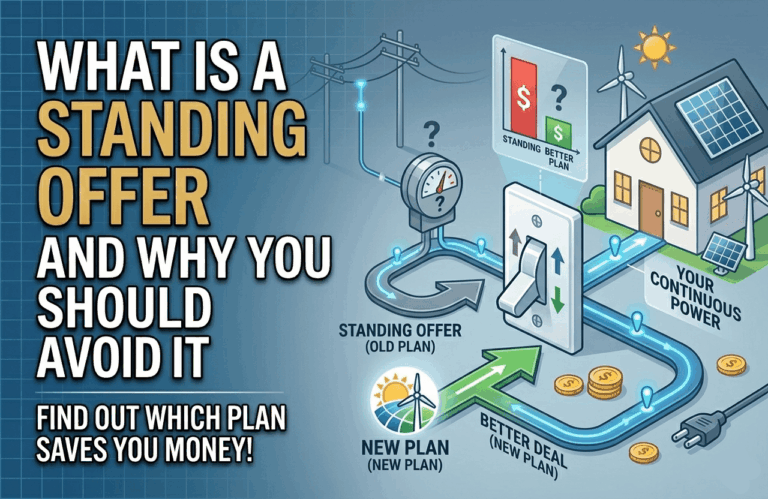
What Is a Standing Offer and Why You Should Avoid It

What Is a Standing Offer and Why You Should Avoid It If you haven’t switched energy providers in the last 12 months, there is a high probability you are paying a “Loyalty Tax.” In the...
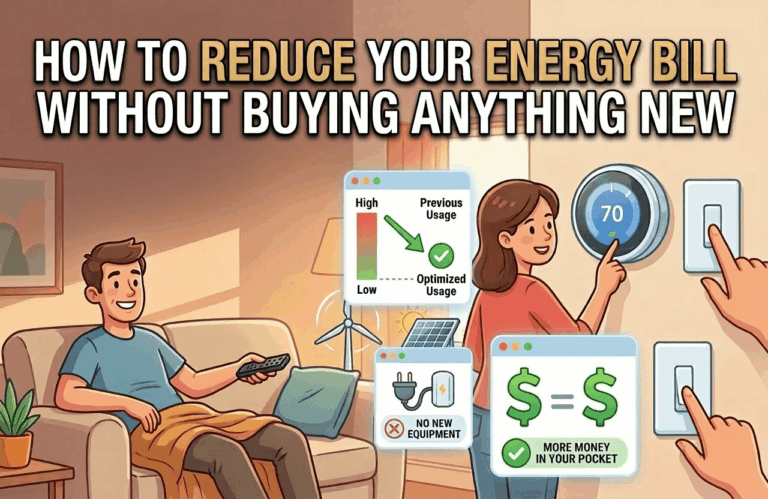
How to Reduce Your Energy Bill Without Buying Anything New

How to Reduce Your Energy Bill Without Buying Anything New In 2026, the cost of living is on everyone’s mind. While ads might tell you to buy “smart” gadgets or expensive solar batteries...
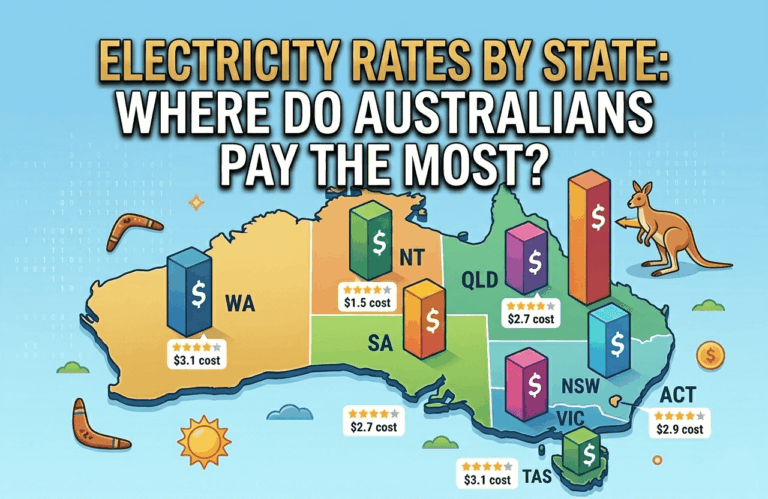
Electricity Rates by State: Where Do Australians Pay the Most?

Electricity Rates by State Where Do Australians Pay the Most If you’ve ever chatted with an interstate friend about their power bill, you’ve likely noticed a massive price gap. In 2026, your postcode...