1. The Regional Menu: Fixed Wireless vs. Starlink vs. Sky Muster
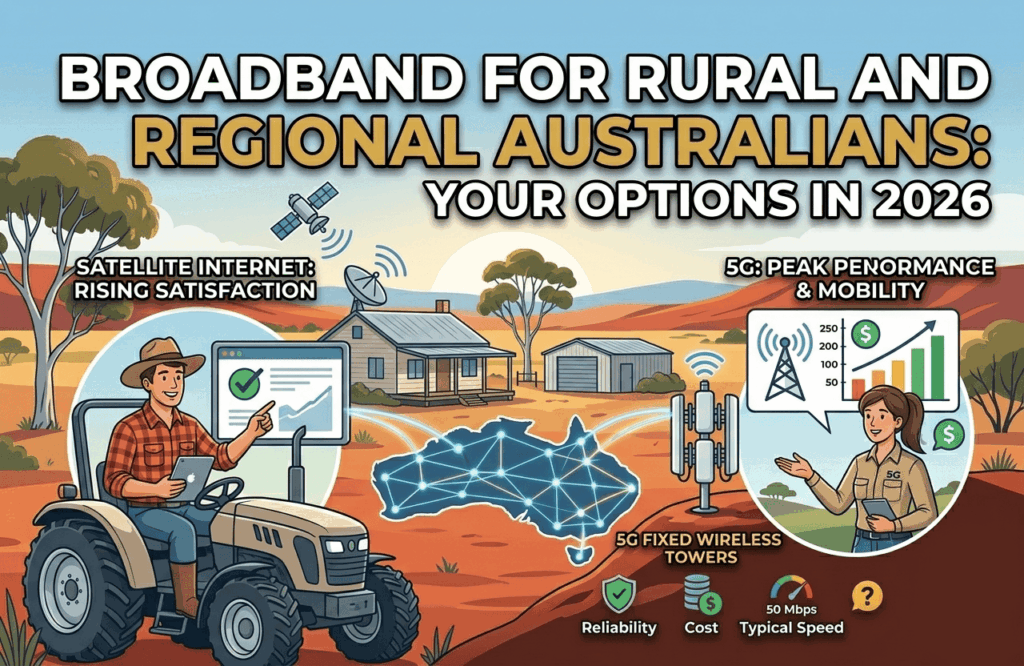
In 2026, the “digital divide” is finally closing. Here is how your three main options stack up for a typical regional home.
- NBN Fixed Wireless (The Upgrade King): Following the 2025 network overhaul, NBN Fixed Wireless is faster than ever. Many homes can now access “Home Fast” (200 Mbps) or even “Superfast” (400 Mbps) tiers.
- Starlink (The Performance Leader): Using a fleet of satellites just 550km above Earth, Starlink offers speeds between 150 Mbps and 300 Mbps. Its biggest draw is its low “ping,” making it the only satellite option truly viable for pro-level gaming and smooth Zoom calls.
- Sky Muster Plus Premium (The Budget Choice): NBN’s original satellite service has been revamped. It now offers uncapped data for all activities, making it a solid, affordable option for basic streaming and browsing if you are outside the Fixed Wireless footprint.
2. Starlink vs. NBN: Which Should You Choose?
For many “out of town” residents, the choice often boils down to NBN Fixed Wireless versus Starlink.
Feature | NBN Fixed Wireless | Starlink (Residential) |
Typical Speed | 50 Mbps – 400 Mbps | 150 Mbps – 300 Mbps |
Setup Cost | $0 (Standard installation) | $549+ (Hardware kit) |
Monthly Cost | ~$70 – $110 | ~$139 |
Latency (Lag) | Low (10–20ms) | Medium-Low (25–60ms) |
Best For… | Budget-conscious families near a tower. | Remote farms or properties with no tower view. |
2026 Update: NBN Co has partnered with Amazon’s Project Kuiper to launch a new satellite service in the coming years, which will provide even more competition for Starlink. For now, Starlink remains the speed leader for those in the “deep” remote.
3. Government Help: Getting Connected for Less
If your internet is still struggling, there are 2026 government programs designed to help you bridge the gap:
- On-Farm Connectivity Program (Round 3): This program provides rebates of up to 50% (for eligible farmers) on connectivity equipment like boosters, Wi-Fi extenders, and specialized sensors to get internet across your entire property.
- The Better Connectivity Plan: The federal government is currently investing over $1.1 billion to eliminate mobile blackspots and upgrade regional NBN infrastructure.
- Fibre-to-the-Premises (FTTP) Upgrades: In 2026, many regional “hubs” and large country towns are being upgraded to full fibre. Check the NBN address checker; you might be eligible for a $0 fibre upgrade just by switching plans.
Frequently Asked Questions
Is Starlink really better than NBN Sky Muster?
In terms of speed and lag, yes. Sky Muster satellites are 36,000km away, leading to a “delay” (latency) of about 600ms. Starlink satellites are much closer (550km), bringing that delay down to under 50ms. This is the difference between a video call working smoothly or being impossible.
Can I get 5G Home Internet in the country?
If you live near a regional town center, Telstra, Optus, and TPG/Vodafone have expanded their 5G coverage significantly in 2026. However, speeds drop off quickly as you move away from the tower. It’s always worth checking a 5G coverage map for your specific street.
What happens to my internet in a bushfire or storm?
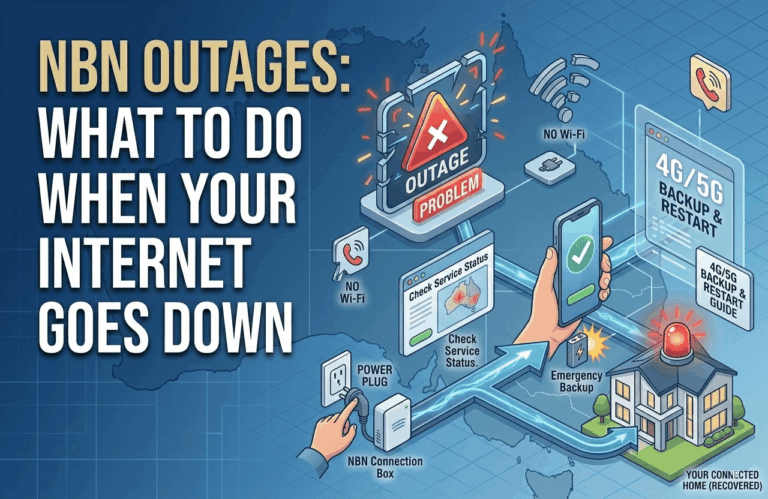
Satellite and Fixed Wireless are more vulnerable to extreme weather than underground fibre. In 2026, it is highly recommended that regional homes have a satellite-based backup or a high-gain mobile antenna if they rely on the internet for emergency information.